
Services
About
Service Areas


Getting a furnace replacement cost estimate doesn't have to be confusing. When your furnace acts up or your energy bills rise, you need reliable information fast. Here’s what you need to know upfront:
Average National Cost Range:
• Standard Efficiency (80% AFUE): $2,000 - $5,400 installed
• High Efficiency (90%+ AFUE): $3,300 - $10,000 installed
• Labor costs: $900 - $3,000
• Additional costs: Permits ($250-$1,500), ductwork modifications, disposal fees
Key factors that affect your estimate:
• Furnace size (BTU output)
• Efficiency rating (AFUE)
• Brand and warranty
• Installation complexity and accessibility
• Regional labor rates and permits
A proper estimate breaks down every cost, from the unit to labor and permits. Understanding these numbers empowers you to make smart decisions for your home's comfort and budget. You can spot red flags in lowball estimates and identify upgrades that offer long-term savings. A thorough estimate can save you thousands and ensure years of reliable heating. Let's break down what should be included.
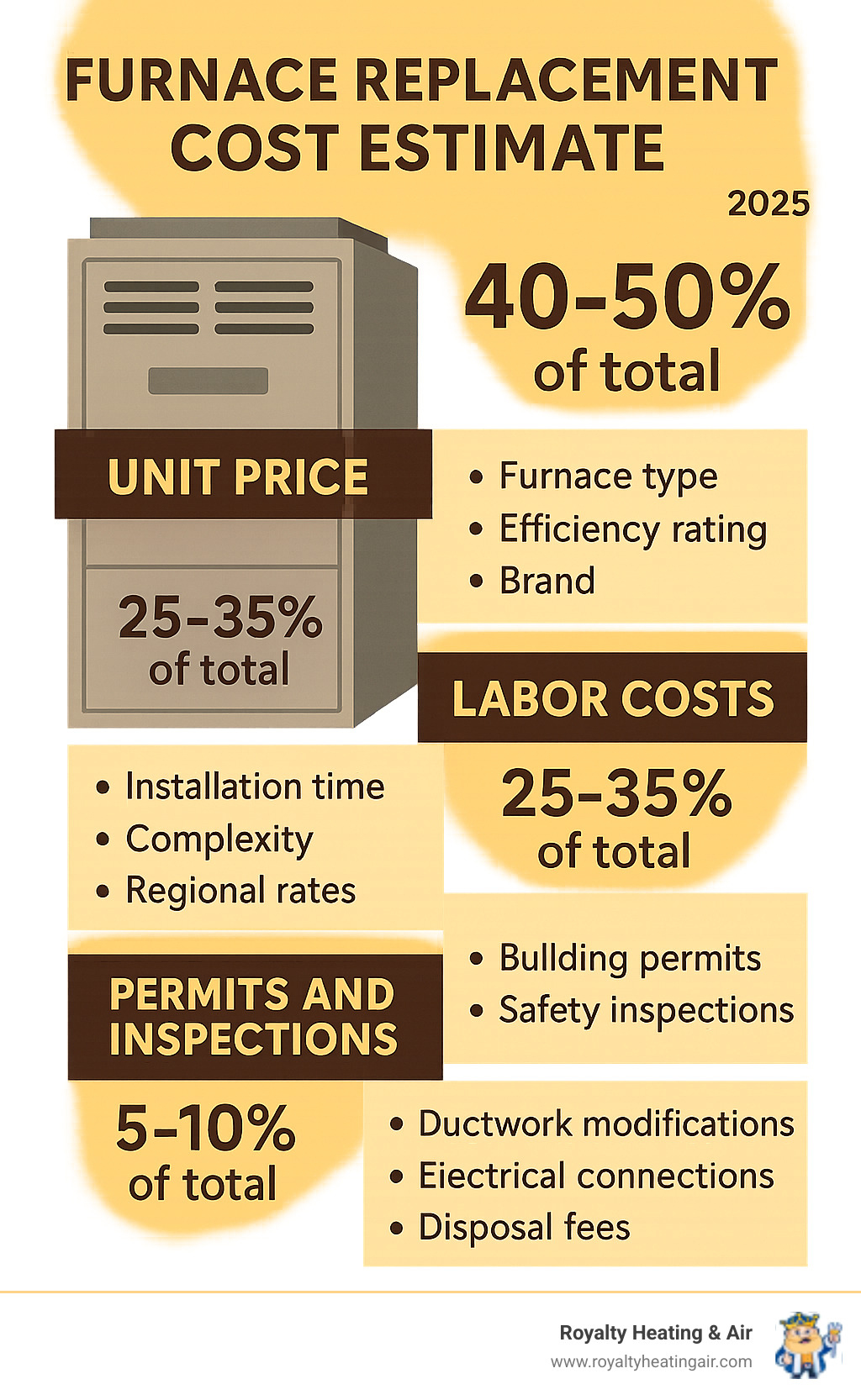
A furnace replacement cost estimate is more than just the price of the unit. It's a comprehensive total that includes professional installation, safety inspections, permits, and potential ductwork modifications. Understanding these components helps you compare quotes from different contractors and spot estimates that seem too good to be true.

Let's dig into what affects the cost of your new furnace and why no two installations are exactly alike.
Furnace Efficiency Makes a Big Difference
Every furnace has an AFUE rating (Annual Fuel Utilization Efficiency), which measures how efficiently it uses fuel. An 80% AFUE furnace converts 80 cents of every dollar spent on fuel into heat.
AFUE explained by the Department of Energy
High-efficiency furnaces (90% AFUE and up) cost more upfront but save money monthly on fuel bills. Mid-efficiency furnaces (80-85% AFUE) are cheaper to buy but use more fuel. In our California climate, the long-term savings from a high-efficiency unit often justify the higher initial cost.
Getting the Right Size Matters More Than You Think
Proper sizing is crucial for comfort and efficiency. Furnace size is measured in BTU output (heat production), not physical dimensions. A professional BTU calculation considers your home's square footage, insulation, windows, and local climate. An oversized furnace wastes energy, while an undersized unit will run constantly. A professional load calculation is essential to avoid these issues.
Brand and Warranty Considerations
Brand reputation affects cost and reliability. Premium brands often use better materials and offer longer lifespans. Warranty differences are also significant. Look for 10-year parts warranties and pay close attention to the heat exchanger warranty. Most warranties require professional installation and annual maintenance to remain valid.
Labor is a substantial part of any furnace replacement cost estimate. Installing a furnace involves gas lines and electrical work, making it a job for certified professionals, not a DIY project.
Installation Complexity Varies Widely
High-efficiency furnaces often need new PVC piping for intake and exhaust. Gas lines or electrical systems may need upgrades. Accessibility also impacts labor costs; a furnace in a cramped crawlspace is more difficult to replace than one in an accessible utility room.
Location Affects Your Bottom Line
Your location impacts the final cost. For example, furnace replacement in Roseville, CA may have different permit requirements than other areas. Metropolitan areas often have higher labor rates. In more rural areas like Auburn, CA, pricing might differ due to travel time. The key is finding a contractor who provides a transparent, detailed estimate.
Choosing the right fuel type is a major decision when getting a furnace replacement cost estimate. Your choice of natural gas, electric, or oil affects both the upfront price and your long-term operating costs. Let's compare the options.
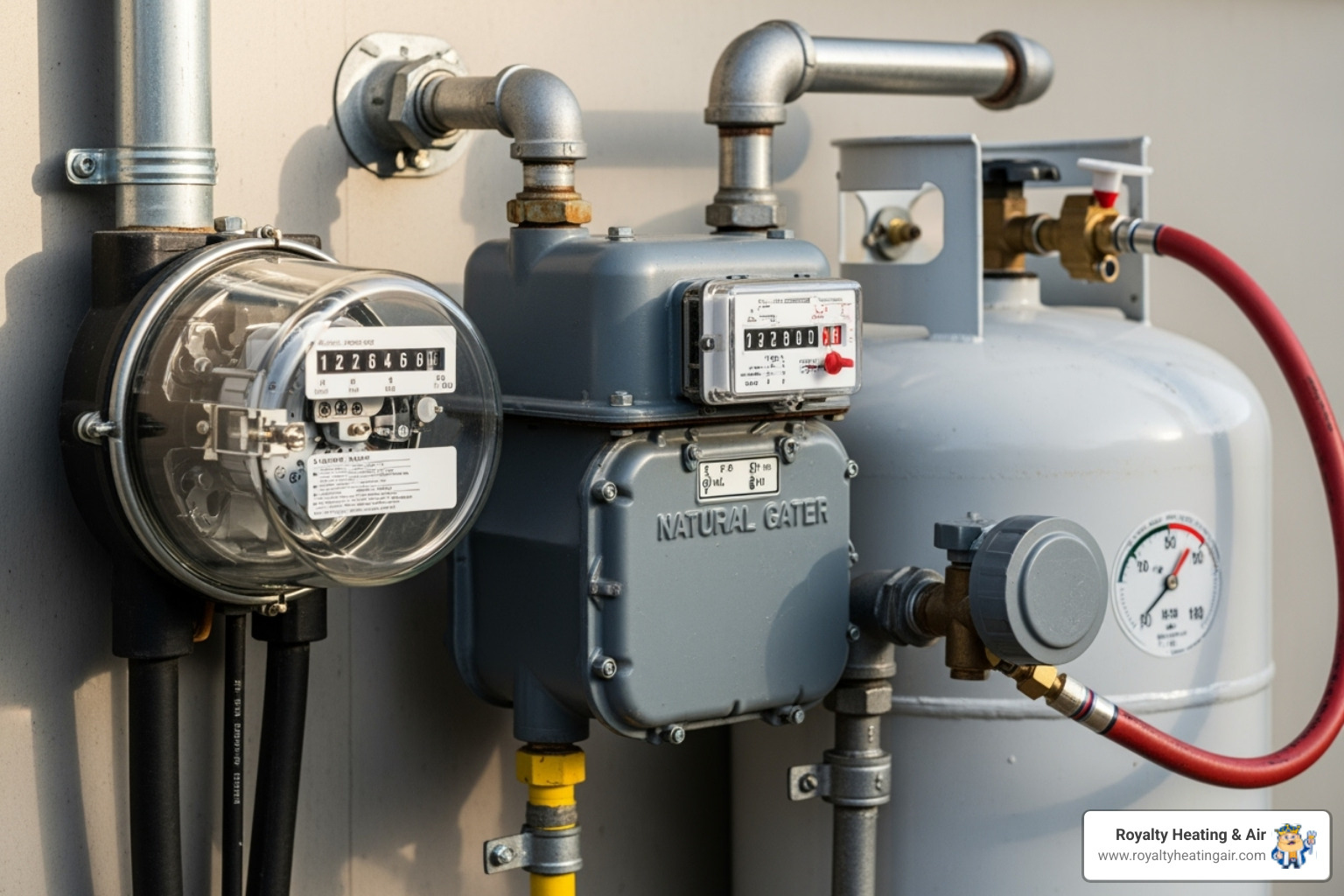
Here's how the three main furnace types stack up:
• Upfront Cost — Natural Gas Furnaces: Moderate to Higher — Electric Furnaces: Generally Lower — Oil Furnaces: Moderate to Higher
• Average Lifespan — Natural Gas Furnaces: 15-30 years — Electric Furnaces: 20-30 years — Oil Furnaces: ~25 years
• Operating Cost — Natural Gas Furnaces: Generally Lowest (where available) — Electric Furnaces: Highest — Oil Furnaces: Higher than natural gas, lower than electric
• Key Pros — Natural Gas Furnaces: Efficient, widespread, consistent heat, low fuel cost — Electric Furnaces: Low installation cost, quiet, long lifespan, no fumes — Oil Furnaces: Good for areas without natural gas, powerful heat
• Key Cons — Natural Gas Furnaces: Requires gas line, can have higher upfront cost — Electric Furnaces: High operating cost, can produce dry air, slower heating — Oil Furnaces: Requires oil tank, deliveries, can be messy, less efficient
Natural gas furnaces are the most popular choice where gas lines are available, offering the lowest monthly heating bills.
Electric furnaces have a lower upfront cost and are very reliable, but electricity is typically the most expensive way to heat a home.
Oil furnaces are a powerful option for areas without natural gas access. They require an on-site storage tank and regular fuel deliveries.
Propane furnaces are another alternative, working like natural gas but requiring a storage tank. When reviewing your furnace replacement cost estimate, consider the long-term fuel costs, not just the initial price.
Getting a trustworthy estimate means finding the most accurate and comprehensive one. Here’s how:
• Insist on a professional load calculation. A contractor should measure your home and assess factors like insulation and windows to determine the correct furnace size. Skipping this can lead to wasted energy.
• Get multiple, itemized quotes. Comparing at least three detailed estimates helps you understand the fair market price. A significantly lower quote may indicate cut corners or missing permits.
• Vet your contractors. Verify they have proper licensing and insurance. Look for industry certifications like NATE (North American Technician Excellence). Check online reviews and ask for references.
Find certified technicians through NATE
For homeowners in the Sacramento area, we provide detailed, transparent estimates to help you make the best decision for your home and budget.
Furnace Replacement in Sacramento
A furnace replacement cost estimate often includes more than just the unit itself. It's important to understand potential additional costs and savings opportunities to budget effectively. Your new furnace must integrate with your home's existing systems and meet local safety codes, which can sometimes require extra work.
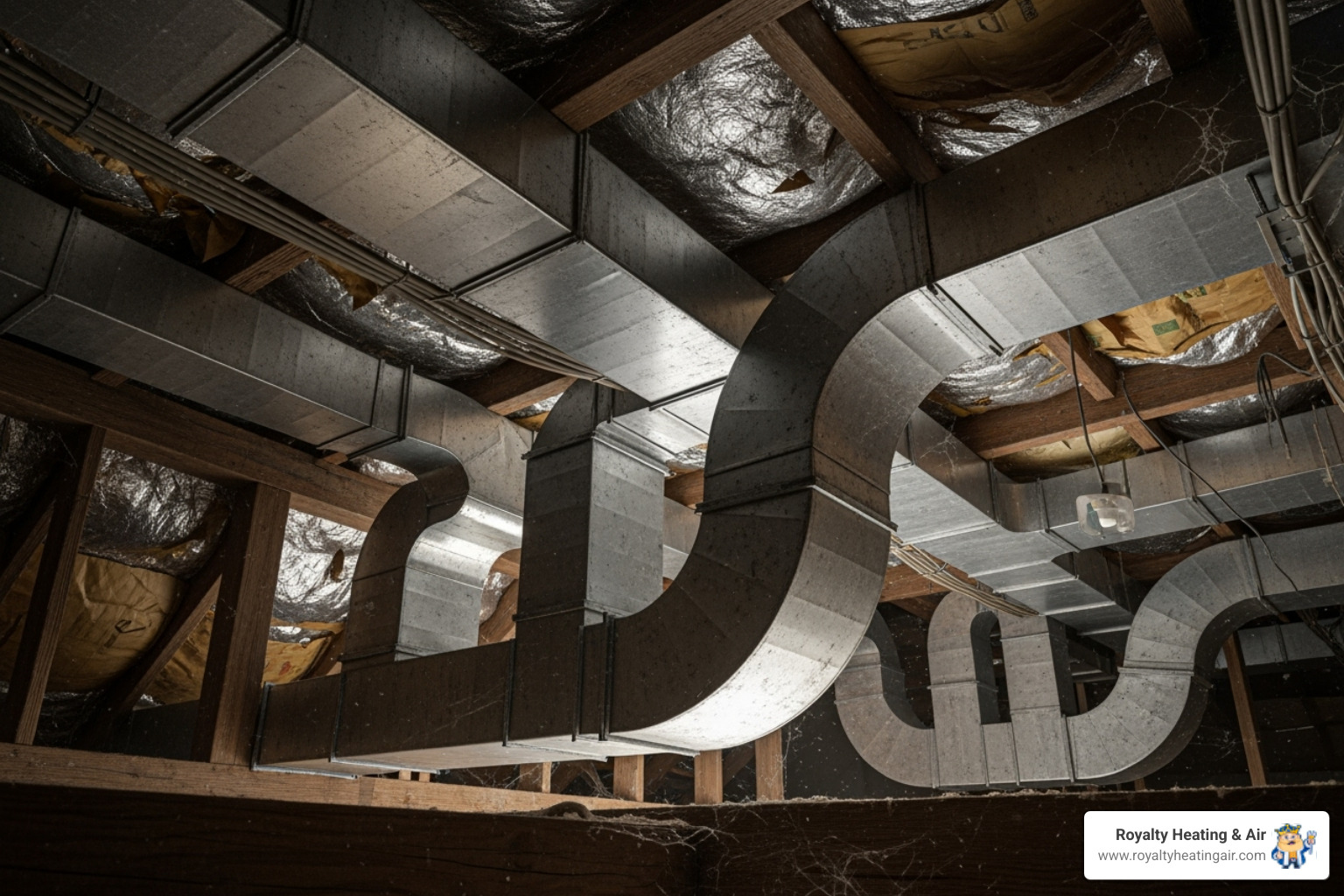
Several factors beyond the furnace unit can add to your estimate.
Building Permits and Inspections
Legitimate installations require permits and inspections to ensure they meet local safety codes, protecting you from fire hazards and carbon monoxide risks. A reputable contractor will handle the permitting process and include these fees in your estimate. Skipping permits is a major red flag.
Ductwork: The Hidden Hero of Your Heating System
Your ductwork is critical to your furnace's performance. Ductwork modifications are often needed for high-efficiency furnaces, which may require new PVC intake and exhaust piping. If your ducts are old or leaky, complete ductwork replacement might be recommended. While this adds to the initial cost, properly sealed ducts can improve system efficiency by 20% or more.
Special Considerations for Older Homes
Older homes may have asbestos-containing materials around the furnace or ductwork. If found, these require special handling by certified professionals for safe removal, which is an additional cost.
Old Furnace Disposal and Installation Type
Most estimates include old furnace removal and disposal, but it's wise to confirm. The complexity of a replacement installation in an existing home can also affect labor costs.
There are several ways to reduce your overall investment.
Government Incentives That Put Money Back in Your Pocket
Federal tax credits are often available for installing high-efficiency, ENERGY STAR certified furnaces. These can significantly offset your costs.
Check for federal tax credits on ENERGY STAR models
Many utility companies also offer cash rebates for installing energy-efficient systems. Additionally, look for manufacturer promotions.
Strategic Timing Can Save You Money
Timing your replacement can lead to savings. The HVAC industry's off-season (spring and fall) often brings better pricing and more flexible scheduling. Planning an off-season installation instead of waiting for a winter emergency can reduce your furnace replacement cost estimate.
If you're considering furnace replacement in Folsom, planning ahead can lead to meaningful savings.
When your furnace starts failing, you face a tough choice: repair or replace? This decision impacts your budget, comfort, and safety. Let's review the key factors to help you decide whether to keep repairing your unit or seek a furnace replacement cost estimate.
Your furnace often gives warning signs that it's nearing the end of its life. Look for these red flags:
• Age: If your furnace is 15 years or older, it's likely becoming less efficient and more prone to breakdowns.
• Rising Energy Bills: An unexplained increase in your heating costs can mean your furnace is losing efficiency.
• Frequent Repairs: If you're constantly calling for service, the cumulative cost of repairs can quickly approach the price of a new unit.
• Safety Concerns: Never ignore signs of a potential safety issue. A yellow or flickering burner flame (it should be blue), strange noises, visible rust, or a carbon monoxide detector alarm all require immediate professional attention.
Look beyond the immediate repair bill to see the bigger financial picture.
• The 50% Rule: A common guideline is that if a repair costs 50% or more of the price of a new furnace, replacement is the more financially sound option.
• Energy Savings: Upgrading from an older furnace to a new high-efficiency model can lead to significant long-term savings on your monthly fuel bills.
• Improved Comfort and Air Quality: New furnaces provide more consistent heat, operate more quietly, and can improve your home's air quality.
• Increased Home Value: A new, efficient heating system is an attractive feature for potential buyers and can increase your property's value.
For homeowners in Granite Bay, CA, weighing these long-term benefits against the upfront investment helps ensure you're making the right choice for your home.
Furnace Replacement in Granite Bay, CA
Here are answers to some of the most common questions homeowners have about furnace replacement costs.
For a home this size, a furnace replacement cost estimate is typically between $3,500 and $7,500 installed. The wide range is due to several factors. The lower end generally covers a standard-efficiency (80% AFUE) furnace with a straightforward installation. The higher end often reflects a high-efficiency (90%+ AFUE) model with more complex requirements.
Your location also plays a role. For instance, a furnace replacement cost estimate in Rocklin, CA will factor in local permit costs and labor rates. The brand, warranty, and your home's specific heating needs will also affect the final price.
Yes, it usually is. Bundling the replacement saves money for several reasons:
• Labor Savings: Technicians are already on-site, so you only pay for one service call's setup and travel time.
• Package Deals: Manufacturers often offer discounts when you purchase a complete, matched system.
• Better Rebates: You may qualify for larger rebates for a whole-system upgrade.
• Convenience: You get all major HVAC work done at once, avoiding another disruption in a few years.
Typically, no. Homeowners insurance is designed for sudden, accidental damage, not for replacement due to old age or normal wear and tear. Just as insurance doesn't cover a roof that has aged naturally, it won't cover a furnace that has simply worn out.
However, coverage might apply if the furnace is damaged by a specific covered peril, such as a house fire or a tree falling on your home. It's best to plan and budget for a furnace replacement as a predictable home maintenance expense rather than relying on insurance.
Now that you understand the details behind a furnace replacement cost estimate, you can approach the process with confidence. Knowing about efficiency ratings and BTU calculations empowers you to ask the right questions, spot red flags, and make an informed decision for your home.
Making the right choice involves balancing your immediate budget with long-term savings. A high-efficiency furnace and professional installation are investments in your home's value and your family's safety and comfort.
Trust is essential. You need a contractor who provides a detailed, transparent estimate based on a proper load calculation and stands behind their work. At Royalty Heating & Air, we've built our reputation on this principle. We provide homeowners in the Rocklin area with transparent pricing and quality workmanship. We're also proud to support our community through our partnership with the MackAttack Foundation, helping foster babies and sponsor family adoptions.
Your warm, efficient, and safe home is our priority. When you're ready for a professional assessment, we're here to help.
Get your professional furnace replacement estimate in Rocklin today!
