
Services
About
Service Areas


The heat pump benefits for Sacramento area homeowners are hard to ignore: a single system that heats and cools your home year-round, cuts energy bills by up to 50%, and qualifies for thousands of dollars in rebates and tax credits available right now in 2026.
Here's a quick summary of the top benefits:
• Energy efficiency - Heat pumps run at 300–400% efficiency, compared to 80–98% for even the best gas furnaces
• Lower utility bills - Most homeowners report saving up to 50% on heating and cooling costs after switching
• One system for everything - Replaces both your furnace and air conditioner
• Available incentives - SMUD rebates, federal tax credits, and TECH Clean California programs can together offset thousands in upfront costs
• Cleaner air - No combustion means no carbon monoxide risk and better indoor air quality
• Eco-friendly - Can reduce your home's carbon footprint by up to 90% compared to gas systems
• Long lifespan - Well-maintained units last 15–20 years
• Works in the cold - Modern units maintain full heating capacity down to 5°F, well below what Sacramento winters typically bring
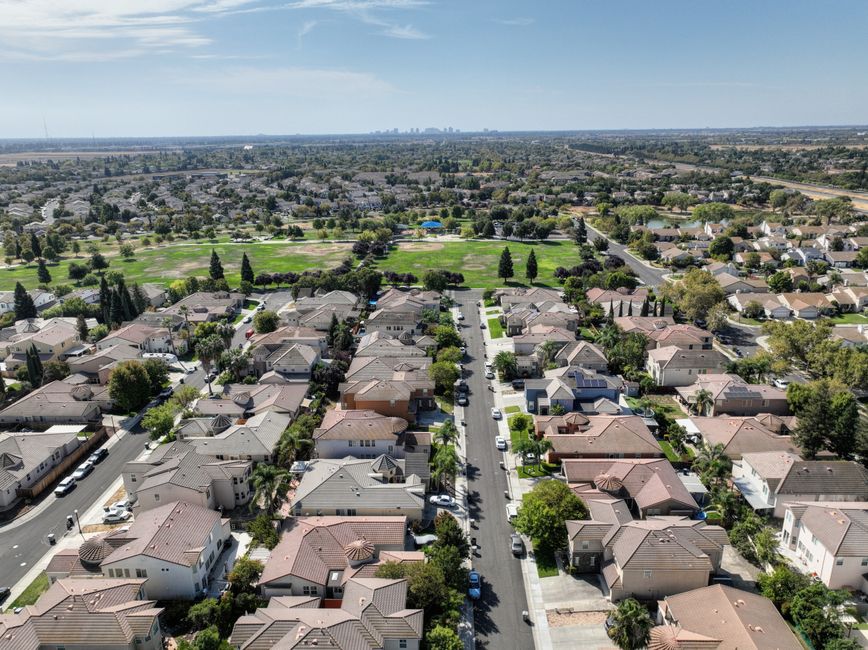
Sacramento's Mediterranean climate — with hot, dry summers, mild winters, and the famous Delta Breeze rolling in from the Bay — is about as close to ideal as it gets for heat pump technology. Unlike regions that face months of below-freezing temperatures, the Sacramento Valley rarely tests the limits of a modern heat pump. That means these systems spend most of the year operating in their efficiency sweet spot, quietly and consistently keeping your home comfortable without burning a drop of natural gas.
Whether you're in Roseville, Folsom, Elk Grove, or a mid-century ranch in Land Park, the climate here practically invites you to make the switch. And with 9 out of 10 heat pump owners saying they'd recommend the technology to others, it's no surprise that more Sacramento homeowners are finally making the move.
Heat pumps work especially well here because they move heat instead of creating it through combustion. If you want a simple primer, our guide on how a heat pump works breaks down the process in plain English. In short, that heat-transfer approach is why a heat pump can deliver 3 to 4 units of heating or cooling for every unit of electricity it uses.
Anyone who lives in our area knows the weather can be dramatic. A chilly morning can turn into a warm afternoon, and summer can swing from very hot days to cooler evenings when the Delta Breeze shows up like a welcome dinner guest.
That pattern is great for heat pumps, especially modern variable-speed systems. Instead of blasting on at full power and shutting off over and over, they can ramp up and down to match your home's needs. That means:
• More consistent indoor temperatures
• Fewer hot and cold spots
• Better humidity control
• Less wasted energy from constant cycling
• Quieter operation
Variable-speed heat pumps often run at lower capacity most of the day, which is exactly what helps them stay efficient in our climate. During summer, they also provide steady dehumidification while cooling, so your home feels more comfortable instead of just "technically colder."
A good rule of thumb is the 20-degree rule: don't expect your system to maintain an indoor temperature more than about 20 degrees below the outdoor temperature during extreme heat. On the hottest Sacramento-area days, proper sizing, airflow, insulation, and thermostat settings matter just as much as the equipment itself.
Spring and fall are where heat pumps really show off. Those in-between months are not severe enough to push most systems hard, so a properly sized heat pump can maintain comfort with very little energy use.
To get the most from those shoulder seasons, we recommend:
• Using a smart thermostat for smoother setbacks and recovery
• Keeping filters clean
• Scheduling seasonal maintenance before the weather shifts
• Choosing high-efficiency equipment with strong SEER2 and HSPF2 ratings
• Making sure airflow and refrigerant charge are verified during commissioning
Our article on spring AC and HVAC maintenance for the Sacramento area explains why preventive service matters before summer heat arrives. In practice, the best-performing heat pump is not just a high-efficiency model on paper. It is one that is sized correctly, installed correctly, and tuned correctly.
If your goal is lower bills, a heat pump gives you two ways to win: it can use less energy month to month, and it may qualify for valuable incentives when you upgrade.
Here is a simple comparison:
• High-efficiency heat pump — Typical efficiency: 300% to 400%
• High-efficiency gas furnace — Typical efficiency: 80% to 98% AFUE
That efficiency gap is the headline reason so many homeowners are switching. Heat pumps can cut heating electricity use by up to 65% compared to traditional electric resistance systems, and many homeowners report up to 50% lower combined heating and cooling costs after replacing older HVAC equipment.
In 2026, Sacramento-area homeowners may be able to combine:
• SMUD rebates for qualifying high-efficiency heat pump systems
• Federal tax credits under the Inflation Reduction Act
• California incentive programs such as TECH Clean California, where available
• Additional bundle incentives for broader electrification upgrades
For many homes, rebate eligibility depends on choosing an ENERGY STAR-certified system and meeting installation requirements. Our resource on energy efficient HVAC systems is a helpful starting point if you want to understand ratings, performance, and savings.
The biggest savings usually come from stacking incentives correctly, not from chasing one program in isolation.
In 2026, the main federal incentive is the Energy Efficient Home Improvement Credit. It generally covers 30% of eligible project costs up to an annual cap of $2,000 for qualifying heat pump installations through 2032. On top of that, local utility rebates may still apply, and some homes may qualify for state or electrification bonuses when multiple upgrades are completed together.
Potential stackable savings can include:
• Federal 30% tax credit, up to the annual cap
• SMUD rebate for a qualifying heat pump HVAC upgrade
• Bundle bonuses for pairing HVAC with other efficient electric equipment
• Additional state program support, depending on income qualification and program status
Because program rules can change, the smartest move is to verify current requirements before installation. Efficiency minimums, contractor participation, and documentation standards all matter.
The incentive is nice. The long-term operating savings are the real story.
A well-installed heat pump can deliver:
• Up to 50% lower heating and cooling expenses for some homeowners
• Better efficiency during Sacramento's long cooling season
• Lower energy use than older single-stage HVAC systems
• Reduced carbon emissions, potentially by up to 90% compared to gas systems
• Excellent compatibility with rooftop solar
If you already have solar, a heat pump makes even more sense because it runs on electricity. If you are planning solar later, installing a heat pump now can be part of a long-term all-electric strategy. For many households, that means a lower total cost of ownership over the life of the equipment, especially when you factor in avoided gas use, improved efficiency, and fewer separate systems to maintain.
The short answer: it depends on your home's layout, your existing ductwork, and your comfort goals.
Ducted heat pumps are often the best fit when:
• You already have ductwork in good condition
• You want whole-home comfort from one central system
• You prefer a familiar thermostat-and-vents setup
Ductless mini-splits are often the best fit when:
• Your home has no ducts
• You want zoning for specific rooms or additions
• Certain areas are always too hot or too cold
• You want to avoid energy losses from older ductwork
Leaky ducts can waste up to 30% of conditioned air, so the presence of ductwork is not automatically a benefit. The condition of the ductwork matters just as much. Our comparison of central air vs. mini split for Sacramento area homes can help you think through the tradeoffs.
No matter which type you prefer, the right answer starts with a Manual J load calculation. That determines how much heating and cooling your home actually needs. A Manual D duct analysis is also important for ducted systems. Guessing based on square footage alone is one of the fastest ways to end up with poor comfort and disappointing efficiency.
Older homes around Roseville, Rocklin, Lincoln, Loomis, and Granite Bay often have charm. They also sometimes have undersized ducts, patchwork additions, older insulation, or rooms that never seem to match the thermostat.
That does not mean a heat pump is off the table. It usually means the design process matters more.
For older homes, we typically look at:
• Duct condition and static pressure
• Insulation levels and air sealing
• Window performance and sun exposure
• Electrical panel capacity
• Whether a ducted, ductless, or hybrid approach makes more sense
Ductless systems can be excellent for retrofits because they avoid major ductwork changes and allow room-by-room zoning. Ducted systems can work beautifully too, especially when the existing ductwork is sound or being updated as part of the project.
Our Heat Pump Installation Roseville Guide explains the planning process in more detail, including code considerations and right-sizing. In California, electrical readiness and Title 24-related requirements may also come into play, so a whole-home view is important.
A heat pump is not just about lower bills. It is also about how your home feels every day.
Long-term benefits often include:
• 15 to 20 years of service with proper maintenance
• More even temperatures throughout the house
• Quieter operation than many older HVAC systems
• Better filtration and airflow
• Fewer comfort complaints in hard-to-condition rooms
Regular upkeep is what protects those benefits. Our heat pump maintenance in Sacramento page covers the basics, but the short version is simple: clean filters, clean coils, correct airflow, and seasonal tune-ups are not optional if you want top efficiency and long equipment life.
If your current system is giving you "one more season, maybe" energy, it may be time to start planning.
Common signs it is time to replace an older HVAC system with a heat pump include:
• Your furnace or AC is 12 to 15 years old or older
• Repairs are becoming frequent
• Utility bills keep rising
• Some rooms are too hot while others stay chilly
• The system short-cycles or runs constantly
• Your AC uses phased-out R-22 refrigerant
• Noise levels have increased
• You want to move away from gas appliances
If your system is still repairable, great. But if you are calling for service repeatedly, replacing two aging systems with one high-efficiency heat pump can be the smarter long-term move. If you are dealing with breakdowns or performance problems now, our heat pump repair in Sacramento resource can help you understand the warning signs.
One of the most practical benefits of switching from a gas furnace to an all-electric heat pump is that you remove combustion from the heating side of your HVAC system.
That can mean:
• No carbon monoxide risk from the furnace
• No combustion byproducts in the heating process
• Simpler path toward an all-electric home
• Lower direct on-site emissions
• Better alignment with long-term California electrification trends
This does not magically solve every indoor air issue, of course. You still need good filtration, ventilation, and maintenance. But removing combustion is a meaningful comfort and safety upgrade for many households.
The best heat pump projects start before installation day.
A proper replacement plan should include:
• Manual J load calculation
• Manual D duct review for ducted systems
• Electrical panel evaluation
• Equipment selection based on efficiency goals
• Permit and code compliance
• Startup testing and commissioning
• Homeowner orientation on thermostat settings and filter care
That last step matters more than people think. Even the best system will underperform if the thermostat programming is off, the filter is ignored, or airflow is blocked. A little homeowner education goes a long way.
Yes. Modern heat pumps can absolutely handle typical winter weather in our service area.
Many current cold-climate models maintain strong heating performance even when outdoor temperatures drop well below what we usually see here. Research commonly shows some units maintaining capacity down to 5 degrees Fahrenheit. Since Sacramento-area winters are usually much milder than that, most homes are well within a heat pump's comfort zone.
Some homeowners still choose backup electric resistance heat strips for peace of mind during rare cold snaps. In some cases, a dual-fuel setup may also make sense. But for much of our region, a properly selected heat pump is fully capable of carrying the heating load on its own.
A well-maintained heat pump typically lasts 15 to 20 years.
That lifespan depends heavily on:
• Proper installation
• Correct system sizing
• Clean filters
• Coil cleanliness
• Refrigerant charge
• Airflow verification
• Consistent maintenance
We recommend professional tune-ups twice a year, usually in spring and fall, plus filter changes every 1 to 3 months depending on filter type, pets, indoor air quality needs, and how much the system runs. Our Heat Pump Tune-Up Sacramento page covers what is included in professional service.
A little maintenance now is much cheaper than a lot of frustration later. Your heat pump also agrees with that plan.
They can, especially when compared to older, less consistent HVAC systems.
Heat pumps can improve comfort and indoor air quality by:
• Providing steady air circulation
• Supporting better filtration
• Reducing temperature swings
• Improving dehumidification during cooling season
• Cutting dust buildup caused by poor airflow and short-cycling
Variable-speed systems are especially helpful because they run longer at lower speeds, which improves filtration and moisture removal. In Sacramento's cooling season, that can make the home feel more comfortable without overcooling.
Of course, indoor air quality is bigger than one appliance. Filters, duct cleanliness, ventilation, and home tightness all play a role. But as part of a whole-home comfort strategy, a modern heat pump is a strong upgrade.
For homeowners in Roseville, Rocklin, Lincoln, Loomis, Granite Bay, and nearby communities, heat pumps make a lot of sense. Our climate is ideal, the technology has matured, and the 2026 incentive landscape still makes this a smart time to explore an upgrade.
The biggest heat pump benefits for Sacramento area homeowners come down to a simple package: better efficiency, year-round comfort, cleaner indoor air, quieter operation, and a path away from aging gas equipment. When the system is properly sized, installed, and maintained, the results can be excellent for both comfort and long-term savings.
At Royalty Heating & Air, we believe home comfort should feel dependable and personal. That is also why our work is tied to something bigger through our partnership with the MackAttack Foundation, supporting foster babies and sponsoring family adoptions in our community.
If you are ready to explore your options, learn more about our Heat Pump Tune-Up Sacramento service or schedule your Sacramento heat pump consultation today.
